
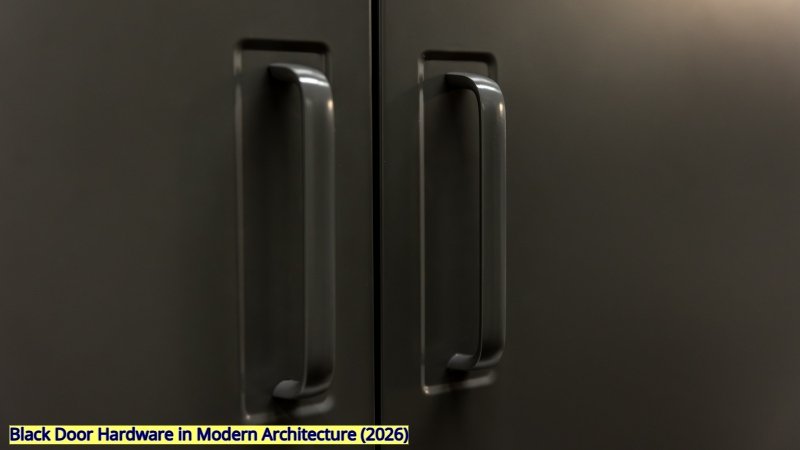
Black Door Hardware in Modern Architecture: Where It Works & What to Avoid
In modern architecture, black door hardware is often used to create contrast, define clean lines, and reinforce minimalist design. However, when used incorrectly, it can make a space feel heavy, repetitive, or visually flat.
For architects, interior designers, and homeowners specifying hardware, understanding where black finishes work and where they don’t is essential. This guide helps you choose black door hardware that enhances the architecture rather than competing with it.
Quick answer:
Black door hardware works best in minimalist, industrial, and high-contrast modern interiors, particularly on light doors and neutral palettes. It should be used selectively, with durable finishes and a controlled material palette, as overuse or poor coordination can make interiors feel repetitive or unbalanced.
Which types of black door hardware work best in modern architecture?
Lever handles
Black lever handles are the most widely used option in modern architecture. Their simple form aligns with contemporary design principles, and they work especially well on flush doors and minimal joinery.
Pull handles
Black pull handles are commonly used on entrance doors, pivot doors, and glass doors. They create a bold architectural statement and are often chosen when designers want hardware to be visually prominent.
Door knobs
Although less common in modern interiors, black door knobs can still work in transitional spaces when paired with clean lines and restrained detailing.
Backplate vs rose designs
Handles on rose plates suit minimalist interiors where subtlety is important. Backplate handles can be used where a slightly more structured or traditional feel is needed within a modern context.
Matching accessories
To maintain consistency, black handles are often paired with matching hinges, locks, escutcheons, and door stops. This helps create a unified design language.
Where does black door hardware work best in modern architectural spaces?
Light-toned interiors
Black hardware performs best when paired with light surfaces such as white, beige, or pale grey doors. The contrast helps define edges and makes the hardware visually intentional.
Minimalist spaces
In minimalist interiors, black handles act as subtle design markers. They define the geometry of doors without introducing unnecessary detail.
Industrial-style environments
Black hardware naturally complements industrial materials such as exposed steel, concrete, and glass. It reinforces the structural language of the space.
Glass and metal frameworks
Black door handles work particularly well with black-framed glass partitions and steel-framed doors, creating a cohesive architectural look.
Contemporary apartments and offices
In modern apartments and commercial spaces, black hardware is often used for its clean, structured, and professional appearance.
Where does black door hardware fail in modern interiors?
Warm material palettes
In interiors dominated by warm woods and soft finishes, black hardware can feel too harsh. In these cases, finishes like antique brass or bronze often integrate more naturally.
Soft layered spaces
Spaces with textured fabrics, warm neutrals, and softer tones may lose their visual balance when black hardware is introduced.
Traditional or classic interiors
Black hardware can feel out of place in interiors with decorative detailing or classical architectural elements.
Overuse across the entire space
Using black hardware everywhere, on doors, cabinets, and fixtures, can make a space feel repetitive and heavy.
Low-light environments
In darker interiors, black hardware may lose contrast and blend into the background, reducing its design impact.
Which finishes and textures of black hardware are most durable?
Matte black coatings
Matte black finishes are widely used because they reduce glare and hide fingerprints better than polished surfaces. High-quality matte coatings can be very durable.
Powder-coated finishes
Powder-coated black hardware is more resistant to scratches and wear. This makes it suitable for high-traffic areas and frequently used doors.
Textured black finishes
Textured finishes add depth and help conceal wear. They are often used in premium interiors where durability and tactile quality are important.
Black stainless steel
Black stainless steel combines strength with a modern appearance. It is often used in both residential and commercial applications.
Gloss black finishes
Gloss black is less common in modern interiors but can be used in high-gloss or high-contrast design schemes.
| Finish | Durability | Visual Style | Best For | Watch Out For |
| Matte Black | High | Soft and modern | Minimal interiors | Poor coatings fade |
| Powder-Coated Black | Very High | Durable matte | High-traffic areas | Quality varies |
| Textured Black | High | Tactile and premium | Luxury interiors | Limited styles |
| Black Stainless Steel | Very High | Clean and durable | Commercial spaces | Higher cost |
How do architects use black hardware to create contrast?
Light doors with dark hardware
One of the most effective uses of black hardware is pairing it with light doors. This creates a strong visual contrast that defines the door as an architectural element.
Black frames with matching hardware
When doors or partitions use black frames, matching hardware helps maintain consistency and visual clarity.
Contrast with natural materials
Black hardware can highlight textures such as timber, stone, or concrete by providing a strong visual anchor.
Defining architectural lines
Handles can emphasize vertical and horizontal lines, reinforcing the geometry of the space.
Creating visual rhythm
Repeating black hardware across doors and joinery can create a consistent visual rhythm throughout the interior.
When does black hardware become a bad design choice?
Overuse across all elements
Using black hardware everywhere can make interiors feel monotonous and overly uniform.
Mixing with too many finishes
Black hardware should be part of a controlled palette. Combining it with multiple unrelated finishes can weaken the design.
Low-quality finishes
Poor-quality black coatings can chip or fade, reducing the perceived quality of the space.
Ignoring maintenance
Some black finishes can show dust or wear if not properly maintained.
Poor contrast
Black hardware loses its impact when used on dark doors or in low-contrast environments.
How do designers balance black hardware with other finishes?
Here are some factors we consider when balancing black hardware with other finishes:
Pairing with warmer metals
We combine black hardware with antique brass or bronze finishes to introduce warmth into the space. This prevents interiors from feeling too stark or overly monochrome while maintaining a modern aesthetic.
Using a dominant finish
A common approach is to select one primary finish, such as black, and use it consistently across key elements like door handles and frames. Secondary finishes are then introduced in smaller accents to support the overall palette.
Creating contrast without clutter
Black hardware works best when it creates intentional contrast rather than competing with multiple finishes. Designers avoid mixing too many metals, focusing instead on a controlled combination that feels cohesive.
Coordinating across touchpoints
To maintain consistency, black hardware is often matched with cabinet handles, lighting fixtures, and window frames. This repetition helps create a unified design language throughout the space.
Balancing visual weight
Black is visually strong, so designers balance it with lighter materials such as wood, stone, or neutral tones. This ensures the hardware enhances the design without overpowering it.
What do designers consider before specifying black door hardware?
Interior colour palette
Black hardware should complement the overall colour scheme of the space.
Lighting conditions
Lighting affects how black finishes appear. Natural and artificial light can change the perception of the finish.
Door materials
The colour and texture of the door influence how black hardware is perceived.
Traffic and durability
High-use areas require durable finishes such as powder-coated or stainless steel.
Architectural style
Black hardware should align with the overall design intent of the project.
What mistakes make black door hardware look cheap or outdated?
Here are the mistakes you should not repeat:
Faded finishes
Low-quality coatings can lose their colour over time.
Inconsistent hardware
Using different shades of black across hardware elements can look uncoordinated.
Overuse
Too much black hardware can make interiors feel repetitive.
Poor proportions
Handles that are too small or too large can disrupt visual balance.
Ignoring tactile quality
Hardware should feel solid and comfortable, not lightweight.
How do you choose the right black door hardware for a modern project?
Step 1: Identify the design style
Determine whether the project is minimalist, industrial, or contemporary.
Step 2: Decide where contrast is needed
Use black hardware where it enhances visual contrast.
Step 3: Choose a durable finish
Select high-quality finishes that will withstand daily use.
Step 4: Coordinate with other finishes
Ensure black hardware works with other metals in the space.
Step 5: Avoid overuse
Use black selectively to maintain its impact.
Step 6: Test in real lighting
Evaluate how the hardware looks under actual lighting conditions.
FAQs
Is black door hardware trendy?
Yes, black door hardware remains a strong trend in modern architecture and interior design. It is especially popular in minimalist and industrial-style spaces where clean lines and contrast are important.
Does black hardware look good on a black door?
Black hardware on a black door can work, but it creates a low-contrast look. This suits minimalist or monochrome designs, but the hardware may visually blend in rather than stand out.
Are black door handles nice?
Yes, black door handles are considered stylish and modern. They offer a clean, sharp appearance and work well in contemporary interiors, especially when paired with light doors or neutral palettes.
Is black door hardware in style?
Yes, black door hardware is still in style in 2026. However, designers now use it more selectively rather than applying it throughout an entire space.
Is black hardware durable?
Black hardware can be durable if it uses high-quality finishes like powder coating or black stainless steel. Lower-quality coatings may chip or fade over time.
How to clean black door hardware?
Clean black door hardware using a soft cloth and mild soap solution. Avoid abrasive cleaners or harsh chemicals, as they can damage the finish. Dry the surface after cleaning to prevent streaks or residue.
Conclusion
If you want a reliable approach in modern architecture, use black door hardware selectively in high-contrast or minimalist spaces where it can define lines and add structure. Before specifying, review the material palette, lighting, and overall design intent. Choosing durable, well-coordinated black hardware will help create interiors that feel intentional, balanced, and visually refined.