
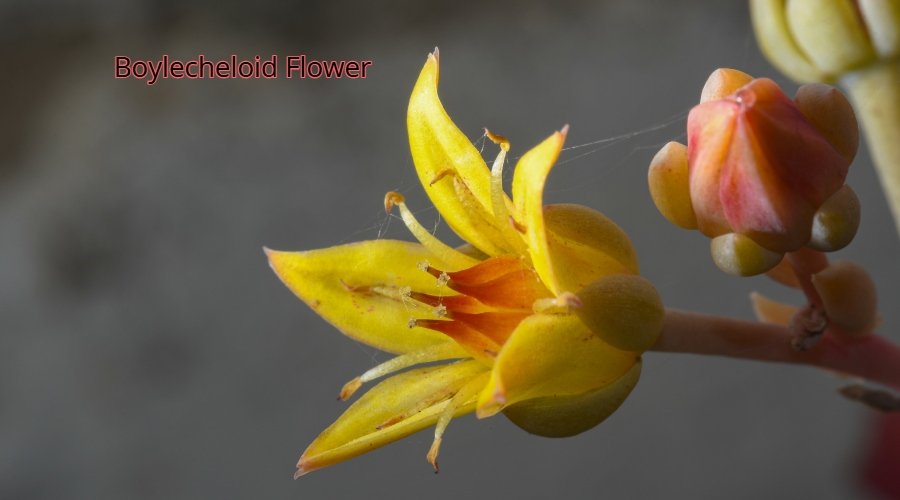
The Boylecheloid Flower has become an increasingly searched term among garden enthusiasts and curious readers alike. Its name sounds refined and botanical, almost as if it belongs to an ancient plant species preserved in rare landscapes. However, the intrigue surrounding it goes beyond simple classification.
Some describe it as delicate yet resilient. Others portray it as symbolic and rare. Yet the real fascination lies not only in whether the Boylecheloid Flower is officially recognised, but in what it represents in modern gardening culture.
In this comprehensive guide, we explore its meaning, origins, symbolism, potential botanical inspiration, and practical growing insights. Whether you are a gardening enthusiast or simply exploring trending floral topics, this article provides clarity and depth.
What Is the Boylecheloid Flower?
At first impression, the term appears to identify a unique ornamental plant. The structure of the word resembles traditional botanical naming conventions, which immediately gives it authority. Because of this, many readers assume it refers to a formally documented species.
However, there is no confirmed scientific classification listed under the exact name Boylecheloid Flower.
That does not make the term irrelevant. Instead, it suggests that the name may function as a conceptual or aesthetic label rather than a technical botanical category. In modern digital culture, such names often emerge from storytelling, artistic interpretation, or descriptive branding.
Therefore, understanding the Boylecheloid Flower requires looking at both horticultural traits and cultural context.
The Meaning Behind the Name
The word itself carries a scientific tone. The suffix “-oid” typically means “resembling” or “like,” which contributes to the impression of botanical authenticity. As a result, the name feels credible and structured.
This linguistic effect plays a powerful role in perception. When a plant name sounds scientific, readers tend to accept it as legitimate. Over time, repeated use across online platforms strengthens that perception.
Consequently, the Boylecheloid Flower has gained recognition not necessarily through formal documentation, but through consistent narrative and visual descriptions.
Why the Boylecheloid Flower Captures Attention
Several factors explain its growing popularity.
1. The Illusion of Rarity
Anything described as rare or forgotten instantly becomes more appealing. The Boylecheloid Flower is often framed as unique, which elevates its perceived value.
2. Aesthetic Descriptions
It is commonly portrayed with soft petals, radiant color tones, and graceful stems. These vivid descriptions stimulate imagination.
3. Emotional Symbolism
Flowers often symbolize renewal, resilience, and transformation. Similarly, the Boylecheloid Flower has been associated with quiet strength and rediscovered beauty.
Together, these elements create both emotional and visual engagement.
Characteristics Commonly Associated With the Boylecheloid Flower
Although not formally classified, descriptions of the Boylecheloid Flower consistently highlight specific qualities. These features align closely with many ornamental flowering plants.
Commonly described traits include:
-
Delicate, symmetrical petals
-
Bright seasonal blooms
-
Moderate plant height
-
Sun-loving growth habits
-
Adaptability to garden environments
Because these attributes are widely found among popular garden flowers, it is reasonable to view the Boylecheloid Flower as a symbolic representation of such blooms rather than an entirely separate species.
Possible Botanical Inspiration
While the name itself lacks official registration, the characteristics attributed to the Boylecheloid Flower resemble several well-known ornamental plants that thrive in warm seasons and attract pollinators.
Such plants typically:
-
Bloom from spring through summer
-
Require well-drained soil
-
Perform best in full sunlight
-
Add vibrant color to garden spaces
Therefore, the term may represent an imaginative or poetic identity for a familiar flowering plant rather than a newly discovered variety.
From a practical perspective, gardeners can focus on replicating these traits regardless of the name attached.
Symbolism and Cultural Significance
Flowers have always carried deeper meaning across cultures. They symbolize hope, growth, remembrance, and emotional renewal. In the same way, the Boylecheloid Flower has become associated with themes of resilience and understated beauty.
Its delicate appearance represents vulnerability. Meanwhile, its ability to thrive in sunlight suggests strength and endurance. This balance between fragility and resilience resonates strongly with modern audiences.
Furthermore, the mystery surrounding its origin adds to its charm. When something is not rigidly defined, it allows individuals to interpret it personally. That openness strengthens emotional connection.
How to Grow Flowers Inspired by the Boylecheloid Flower
If you are inspired by the qualities linked to the Boylecheloid Flower, cultivating similar ornamental plants in your garden is entirely achievable. Success depends on following proven horticultural principles.
Choose a Sunny Location
Most vibrant flowering plants require at least six hours of direct sunlight daily. Adequate light enhances bloom intensity and promotes strong stems.
Prepare Well-Drained Soil
Healthy roots are the foundation of any thriving plant. Use loose, fertile soil enriched with compost to ensure proper drainage and nutrient supply.
Maintain Balanced Watering
Overwatering can damage roots, while insufficient moisture limits bloom production. Instead, aim for consistent but moderate watering based on your climate.
Provide Proper Spacing
Good air circulation reduces the risk of fungal diseases. Spacing plants appropriately also encourages fuller growth.
Encourage Continuous Blooming
Regularly removing faded blossoms stimulates new bud formation. As a result, flowering continues throughout the growing season.
By applying these steps, you can cultivate blooms that reflect the elegance often attributed to the Boylecheloid Flower.
Seasonal Growth and Climate Considerations
Most ornamental flowers resembling the Boylecheloid Flower thrive in warmer months. Spring and summer typically produce the most vibrant displays.
However, climate plays a critical role. In mild regions, flowering may extend longer into the year. In colder climates, seasonal replanting may be necessary.
Understanding local weather patterns ensures realistic expectations and healthier garden outcomes.
Ecological Benefits of Flowering Plants
Beyond their visual appeal, flowering plants contribute significantly to environmental balance. Bright blossoms attract pollinators such as bees and butterflies, which are essential for biodiversity.
By planting nectar-rich flowers similar to the Boylecheloid Flower, gardeners support pollination cycles and ecosystem health. Therefore, the concept carries environmental value as well as aesthetic charm.
Landscape Design Applications
The idea of the Boylecheloid Flower integrates beautifully into various garden styles.
Cottage Gardens
Clusters of soft blooms create warmth and natural charm.
Contemporary Designs
Strategic placement of vibrant flowers adds contrast to modern landscapes.
Container Gardens
Compact flowering plants bring colour to patios and balconies.
Wildflower Spaces
Natural layouts encourage biodiversity and organic flow.
In every setting, harmony between colour, spacing, and seasonal rhythm determines success.
Why Unique Botanical Terms Gain Popularity
In the digital era, distinctive names attract curiosity. The Boylecheloid Flower stands out because it sounds scholarly and uncommon.
Moreover, mystery encourages exploration. When readers encounter unfamiliar terms, they search for explanations. This repeated curiosity increases visibility and recognition.
Over time, the name becomes embedded in conversation, regardless of formal scientific status.
Final Thoughts on the Boylecheloid Flower
The Boylecheloid Flower represents more than a botanical label. It reflects how language, symbolism, and storytelling shape modern gardening culture.
Although it may not appear in formal plant registries, its described traits align closely with beloved ornamental blooms found in gardens worldwide. Its symbolism evokes resilience and renewal. Its name captures imagination.
Ultimately, the true value of the Boylecheloid Flower lies in inspiration. It encourages curiosity about nature. It invites thoughtful research. And it reminds us that beauty in gardening often begins with a story.
For gardeners and readers alike, that inspiration is what truly makes it flourish.