
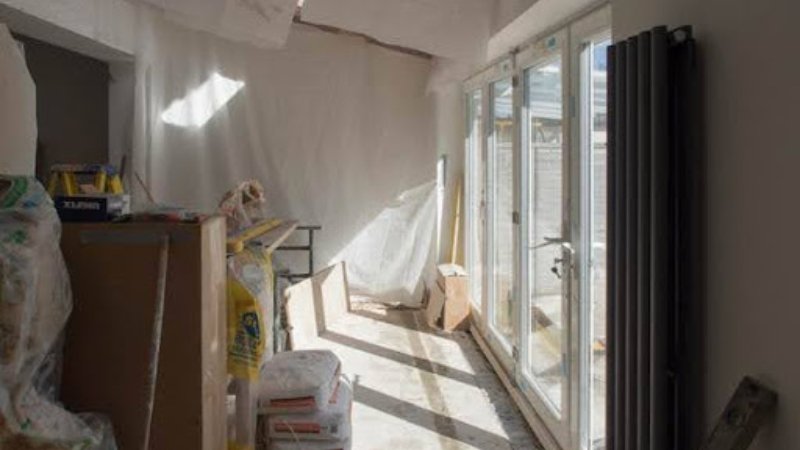
You notice the crack in the ceiling every morning while you wait for the kettle to boil, and each time you tell yourself you will deal with it later. The problem is not knowing it needs fixing. The problem is deciding how to pay for it without upsetting everything else in your budget. Home upgrades rarely arrive at a convenient moment. A roof starts leaking. The boiler fails in winter. Or maybe the kitchen just feels worn out after years of daily use. In my experience, most homeowners are not reckless about spending. They are cautious. They simply need clear, workable ways to fund improvements without creating new financial stress.
Understanding Financing Options
When savings are not enough to cover a large project, borrowing becomes part of the conversation. That does not mean making a rushed decision. It means looking at what kind of loan fits the scale and urgency of the work.
Some upgrades increase comfort, but can wait. Others protect the structure of the house and need immediate attention. The type of financing you choose should reflect that difference. A small cosmetic update may be handled differently than a full roof replacement or structural repair. It’s important that you explore different home renovation loans and choose the one that seems most suitable and convenient for your needs. Comparing interest rates, repayment terms, and fees gives a clearer picture of total cost. The goal is not just approval. It is sustainability over time.
Using Savings Without Draining Stability
Before taking on any debt, take a clear look at your savings. Many households keep an emergency fund for surprises. The real question is whether this upgrade truly counts as one. If the work protects the home’s structure or safety, using some savings can make sense. Still, draining the account entirely leaves you exposed. Expenses tend to overlap. A repair is finished, then something else breaks. A middle ground often works better. Use part of your savings to shrink the loan amount, then finance the rest over a term you can manage comfortably.
Personal Loans for Flexibility
Unsecured personal loans are commonly used for medium-sized upgrades. The home is not tied to the debt, which removes one layer of risk. Approval is usually based on income and credit history rather than property value. The process is often straightforward. You receive a lump sum and repay it in fixed monthly amounts, so the timeline is clear from the start. That clarity helps with planning, but rates can be higher than secured options. The total repayment matters more than the monthly figure. A lower payment over a longer term may quietly increase the overall cost.
Tapping Into Home Equity
If you have owned your home for a while, you may have built up equity without thinking much about it. Equity is simply the gap between what your home is worth and what you still owe on the mortgage. As that gap grows, it can be borrowed against, often at lower rates than unsecured loans.
Because the house secures the borrowing, lenders see less risk. You, however, take on more. Missed payments can put the property at stake. Using equity works best for repairs or upgrades that protect or strengthen the home, not for minor cosmetic changes.
Refinancing the Mortgage
Another route is refinancing the existing mortgage to release cash for improvements. This works best when interest rates are favorable or when the current mortgage terms are outdated. By refinancing, the homeowner replaces the original mortgage with a new one, often at a different rate or term. Additional funds can be drawn out and used for upgrades. The repayment period may extend, which can lower monthly costs but increase total interest over time.
Refinancing involves fees and paperwork. It is not a quick solution for urgent repairs. Still, for larger renovations planned over months, it can be part of a broader financial strategy.
Credit Cards and Short-Term Financing
For smaller upgrades, credit cards are sometimes used. They offer convenience and speed. Some cards provide introductory periods with low or zero interest, which can be helpful if the balance is repaid quickly. The danger lies in underestimating how long repayment will take. Once promotional periods end, interest rates can climb sharply. A project that seemed affordable may linger on statements for years. Credit cards work best for limited expenses that can be cleared within a short, defined window. They are rarely suitable for major renovations unless combined with a disciplined repayment plan.
Matching the Loan to the Project
Not all upgrades carry the same financial logic. Replacing an outdated heating system improves efficiency and may reduce utility costs. Updating a kitchen might improve resale value. Installing better insulation can lower long-term expenses. On the other hand, purely aesthetic changes may not deliver measurable returns. That does not mean they are wrong. Comfort matters. Still, the financing structure should reflect realistic expectations.
Before committing, it helps to calculate projected costs carefully. Include materials, labour, permits, and a contingency buffer. Contractors often recommend adding ten to fifteen percent for unexpected issues. That advice is practical, not pessimistic.
Thinking Beyond the Immediate Upgrade
Financing a home upgrades should fit into the wider financial picture. Consider upcoming life events. Is a job change possible? Are school fees approaching? Is another large expense on the horizon. Monthly repayments must be manageable not just now, but six months from now. If income fluctuates, fixed payments may feel heavier during slower periods. In such cases, shorter-term borrowing with faster payoff might reduce stress.
It also helps to review insurance coverage during major renovations. Some policies require notification if structural work is being done. This detail is often overlooked until a claim arises.
Keeping Emotion in Check
Homes carry emotion. A dated kitchen can feel like a daily reminder of what has not been updated. A leaking roof can create anxiety that lingers. These feelings are valid, but financial decisions should not be made only on frustration. Take a short pause before signing agreements. Review the numbers twice. Ask questions about fees and penalties. A contractor’s timeline should not dictate your financing choice.
Home upgrades will always require money. That part does not change. What can change is the way they are financed. With a steady review of options, honest budgeting, and a willingness to plan carefully, improvements can be made without putting long-term stability at risk.