
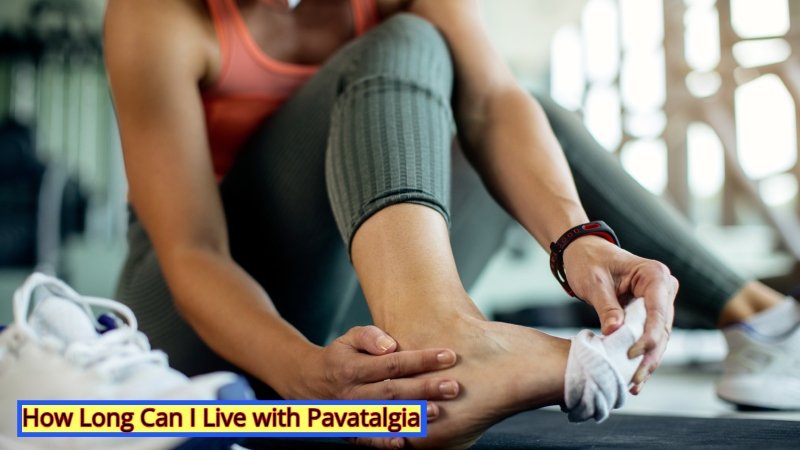
Pavatalgia, which refers to chronic pain in the feet or lower limbs, can profoundly affect daily life. Many individuals facing this condition often ask, ‘How long can I live with Pavatalgia?’ The reassuring answer is that pavatalgia itself is not life-threatening. However, its impact on mobility, comfort, and overall well-being makes understanding, managing, and preventing complications essential for a long, active, and fulfilling life.
What is Pavatalgia?
Pavatalgia is persistent discomfort or pain in the feet or lower limbs that can range from mild soreness to severe pain affecting mobility. It is often caused by nerve damage, poor circulation, musculoskeletal problems, or previous injuries. While pavatalgia does not directly affect lifespan, unmanaged pain can indirectly impact health and quality of life, making awareness and timely intervention vital.
Why does Pavatalgia occur?
Several factors contribute to pavatalgia. Peripheral neuropathy, commonly linked to diabetes or vitamin deficiencies, is a frequent cause. Circulatory issues reduce blood flow to the feet, increasing the risk of infections or ulcers. Chronic musculoskeletal conditions, such as plantar fasciitis, arthritis, or tendinitis, lead to persistent discomfort. Past injuries, including fractures or trauma, may also result in lingering pain if not properly treated. Understanding the root cause is key to effective management.
How does Pavatalgia affect daily life?
Living with pavatalgia can be challenging both physically and emotionally. Chronic pain can limit walking, standing, or performing routine tasks. Sleep disturbances are common, leading to fatigue and irritability. Emotional stress, anxiety, and depression may also develop as a result of persistent discomfort. Addressing both the physical and psychological aspects is crucial for improving overall quality of life.
How is Pavatalgia diagnosed?
Accurate diagnosis is essential for successful management. Doctors perform a thorough physical examination to identify tenderness, swelling, or deformities. Blood tests can reveal underlying conditions such as diabetes or nutritional deficiencies. Imaging techniques like X-rays, MRIs, or ultrasounds help detect structural problems. Nerve conduction studies are used to assess neuropathic causes. A precise diagnosis ensures the treatment plan targets both symptoms and underlying causes effectively.
How can Pavatalgia be treated?
Effective treatment focuses on pain relief, correcting underlying issues, and improving function. Medications may include anti-inflammatory drugs or treatments for neuropathic pain. Physical therapy strengthens muscles, improves balance, and reduces discomfort. Supportive footwear or orthotics help relieve pressure on affected areas. Lifestyle measures like gentle exercise, weight management, and proper foot care complement medical treatments. In severe cases, surgical intervention may be necessary to correct structural abnormalities or relieve nerve compression.
When should complications be a concern?
Although pavatalgia is rarely dangerous, complications may arise if underlying conditions are ignored. Poor circulation or unmanaged diabetes can lead to infections or chronic foot ulcers. Limited mobility can contribute to a sedentary lifestyle, increasing cardiovascular and overall health risks. Regular monitoring, preventive care, and proactive management are essential to prevent complications and maintain a high quality of life.
How does Pavatalgia affect mental health?
Chronic pain can have significant psychological effects. Anxiety, depression, and emotional stress are common among individuals suffering from pavatalgia. Addressing mental health alongside physical treatment through counseling, mindfulness, or support groups is crucial. Focusing on mental well-being enhances the ability to manage pain and improves overall quality of life.
How long can I live with Pavatalgia?
The answer to ‘How long can I live with Pavatalgia? centres on life quality rather than lifespan. With proper care, treatment of underlying causes, and a healthy lifestyle, individuals can continue to live long, active, and fulfilling lives despite chronic foot pain. Effective pain management, prevention of complications, and maintenance of overall wellness are key to thriving with pavatalgia.
How to Live well with Pavatalgia
Long-term management requires a combination of medical care, lifestyle adjustments, and preventive measures. Using supportive footwear, engaging in low-impact exercises, maintaining a balanced diet, and addressing mental health needs are all crucial. These strategies enhance comfort, prevent secondary health issues, and enable individuals to enjoy independence and an active lifestyle, ensuring pain does not dominate daily life.
Frequently Asked Questions (FAQs)
1. Can Pavatalgia shorten my life?
No, pavatalgia itself does not directly reduce life expectancy. Proper management ensures a normal lifespan.
2. What are the main causes of Pavatalgia?
Common causes include peripheral neuropathy, circulatory problems, musculoskeletal conditions, and past injuries.
3. How can I manage Pavatalgia effectively?
Management includes medical treatment, physical therapy, proper footwear, lifestyle adjustments, and mental health support.
4. Is Pavatalgia related to diabetes?
Yes, diabetic neuropathy is a common cause of chronic foot pain, so diabetic patients should monitor their foot health closely.
5. When should I see a doctor for Pavatalgia?
If pain is persistent, worsening, or accompanied by swelling, numbness, or ulcers, seeking medical advice promptly is recommended.
6. Can exercise help with Pavatalgia?
Low-impact exercises like swimming, cycling, and stretching can improve circulation, strengthen muscles, and reduce pain without overloading the feet.
Conclusion
Pavatalgia is a chronic condition that affects comfort, mobility, and quality of life but does not inherently reduce life expectancy. Understanding the condition, seeking proper treatment, and implementing lifestyle adjustments are key to answering How long can I live with Pavatalgia?. By focusing on pain relief, preventing complications, and supporting mental well-being, individuals can live long, active, and fulfilling lives, turning chronic pain into a manageable part of everyday life.