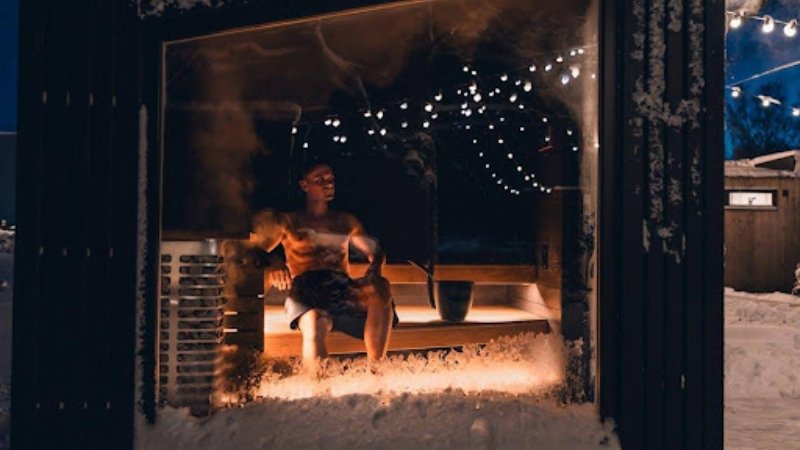
The installation of a high-end sauna is more than a wellness upgrade; it is a strategic real estate investment. Much like a custom kitchen or a manicured landscape, a premium sauna adds significant market appeal and functional luxury to a property. However, because these structures are subjected to extreme temperature fluctuations and high humidity, their status as a “high-value asset” depends entirely on meticulous upkeep. To ensure that a sauna continues to bolster a home’s appraisal and offer a sanctuary of relaxation, owners must treat it with the same specialized care as any other architectural feature.
Here are five ways to ensure your luxury sauna remains a premier home asset for years to come.
1. Prioritize Timber Integrity and Wood Care
The soul of a traditional or infrared sauna is the wood. High-end units typically utilize Western Red Cedar, Hemlock, or Nordic Spruce because of their thermal properties and resistance to decay. Over time, however, sweat and skin oils can penetrate the porous surfaces of the benches, leading to discoloration or odors.
To maintain the wood’s “showroom” quality, it is essential to use a soft brush and water after every session to wipe down the benches. For deeper cleans, owners should only use specialized, non-toxic sauna cleaners that do not contain harsh chemicals or bleach, which can break down wood fibers. Keeping the timber pristine ensures that when it comes time to sell the property, the sauna looks—and smells—as fresh as the day it was installed.
2. Optimize the Transition Between Spaces
A luxury sauna experience is defined by the environment surrounding it. In many high-end home renovations, the sauna is part of a larger “wet zone” or home gym. The transition from the heat of the sauna to the rest of the home requires thoughtful material choices. Many homeowners opt for engineered hardwood flooring Toronto specialists to provide durable, moisture-resistant flooring solutions for the adjacent hallway or dressing area. Choosing a high-quality engineered wood ensures that the aesthetic remains consistent and sophisticated, providing a stable foundation that can handle the slight humidity changes near a wellness suite without warping or gapping.
3. Maintain the Mechanical Heart
The heater is the most critical component of the investment. For traditional saunas, this involves the heating elements and the sauna stones. Over months of use, stones can become brittle and crack due to the rapid expansion and contraction caused by water contact. Cracked stones restrict airflow, forcing the heater to work harder and shortening its lifespan.
Inspecting the stones annually and replacing them when they begin to crumble ensures the unit operates at peak efficiency. Furthermore, checking the electrical connections and sensor calibrations helps avoid the “technical fatigue” that can diminish the value of the amenity in the eyes of a potential home buyer.
4. Ensure Proper Ventilation and Airflow
The greatest enemy of a high-value sauna is stagnant moisture. Without proper ventilation, the wood can develop mildew, and the structural integrity of the cabin can be compromised. A high-end sauna should have an adjustable air intake and exhaust system that allows the room to “breathe” after a session.
For those who have invested in custom outdoor builds, such as those designed by the Toronto Sauna Co., maintaining the exterior finish is equally important. Protecting the structure from the elements also means keeping the surrounding area clear of debris that might attract unwanted guests. For instance, homeowners in wooded or resort areas often consult with pest control Collingwood experts to ensure that the base of their outdoor sauna remains free from wood-boring insects or rodents seeking warmth. Ensuring the exterior wood is treated to withstand local climate shifts prevents moisture and pests from compromising the interior thermal envelope.
5. Document Professional Servicing
A high-value asset is only as good as its provenance. Just as a luxury vehicle with a full service history commands a higher price, a home sauna with documented professional maintenance is far more attractive to future homeowners. Keeping a file of the original installation specs, warranty information for the heater, and records of any professional deep cleans or timber treatments provides “proof of value.”
When a sauna is integrated into a home’s infrastructure, it shouldn’t just be seen as an “extra.” By treating the wood with care, ensuring the surrounding flooring is of equal quality, and maintaining the mechanical components, you transform a simple steam room into a permanent, value-driving feature of the estate. Consistent, proactive maintenance is the difference between a depreciating hobby and a lasting architectural investment.