
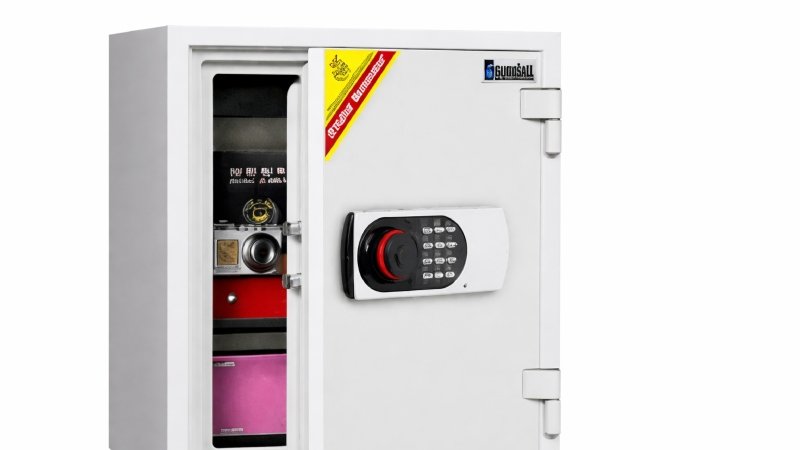
Most of us lock our doors, set our alarms, and assume that’s enough. But there’s one layer of home security that consistently gets overlooked — what happens to your most important belongings if someone gets inside anyway? A small home safe is one of those purchases that feels unnecessary right up until the moment it isn’t. Here’s why more Australian homeowners are quietly adding one to their security setup.
1. Your Most Valuable Items Need a Dedicated Home
Think about what you’d scramble to grab in a house fire or burglary: passports, birth certificates, property deeds, jewellery, a USB drive with irreplaceable photos. Right now, where exactly are those things? Tucked in a drawer? Scattered across different rooms? A small safe gives these items one permanent, protected address — and that consistency alone reduces the chaos in an emergency.
2. Fire and Water Damage Are Bigger Threats Than Theft
Burglary gets all the attention, but statistically, your documents are far more likely to be destroyed by fire, flooding, or a burst pipe. Quality compact safes are rated for fire resistance — many protect contents up to 1,000°C for 30–60 minutes, which covers the average house fire. Some are also waterproof, meaning even a flooded laundry won’t destroy your insurance papers or will. This kind of passive protection works 24 hours a day without you thinking about it.
3. It Keeps Children Safe From What They Shouldn’t Access
Prescription medication, sharp tools, firearms, alcohol — many households contain items that are perfectly legal but genuinely dangerous in curious hands. A biometric or combination safe makes restricted access effortless. You’re not hiding things from your children out of secrecy; you’re creating clear physical boundaries that protect them without ongoing conversation or negotiation.
4. Peace of Mind While Travelling
Whether you’re away for a weekend or an extended holiday, knowing your valuables are secured — not just at home but physically anchored to your floor or wall — fundamentally changes how you travel. You’re not mentally tallying what you left out. You’re not cutting a trip short over anxiety. A bolted-down safe turns “I hope the house is fine” into a quieter kind of confidence.
5. Home Service Visits Are More Common Than Burglaries
Tradies, cleaners, pet sitters, Airbnb guests, maintenance workers — many people have legitimate reasons to be in your home. That doesn’t mean they need access to your private documents, your jewellery, or the spare cash in the drawer. A small safe creates a hard line between shared spaces and genuinely private ones, without suggesting distrust of anyone in particular.
6. Digital Backups Aren’t Enough for Physical Documents
Cloud storage is brilliant — until the bank asks for an original signature, or you need a physical passport, or a legal dispute requires the original signed contract. Digital copies supplement physical documents; they don’t replace them. A fireproof safe is essentially your personal archive, keeping originals in the condition they need to be in when they actually matter.
7. Small Safes Are Surprisingly Discreet and Easy to Install
Modern compact safes are nothing like the hulking steel boxes of decades past. Today’s options fit neatly under a bed, inside a wardrobe, or tucked into a home office cabinet. Many weigh under 20 kg and bolt to a wall or floor in under an hour. You don’t need a specialist installation — just a drill and the right spot. The team at Safes Australia, for example, offer models specifically designed for residential use: secure enough to matter, small enough to disappear into a room.
8. Insurance Premiums Can Actually Drop
Some home and contents insurers offer reduced premiums when valuables — particularly jewellery, collectibles, or firearms — are stored in an approved safe. The logic is straightforward: a secured item is less likely to be claimed. It’s worth checking your policy or calling your insurer, because the safe can pay for itself faster than expected.
What should go in your home safe?
- Passports and travel documents
- Birth, marriage, and death certificates
- Property deeds and vehicle titles
- Insurance policies and medical records
- Spare cash for emergencies
- Jewellery, heirlooms, and small collectibles
- USB drives with critical digital backups
- Medications that require restricted access
The Bottom Line
A small home safe isn’t about paranoia — it’s about recognising that life occasionally throws things at us we didn’t plan for: fires, floods, break-ins, or simply the slow drift of important documents to unknown corners of the house. For a one-time cost and minimal space, a safe delivers protection that keeps working long after you’ve forgotten it’s there. That’s a pretty rare quality in a home purchase.