
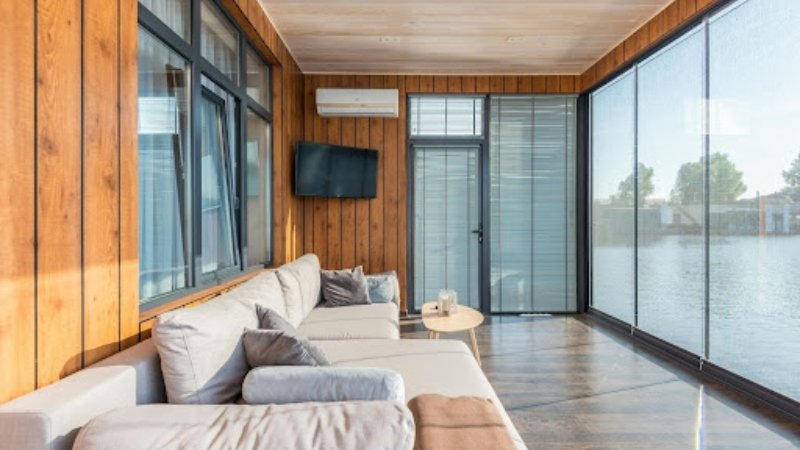
In today’s shifting real estate market, homeowners are constantly looking for ways to maximize their property’s potential without the stress of a traditional home extension. One of the most effective, stylish, and high-return investments you can make is adding a high-quality outdoor building. Whether you call them garden rooms, studios, or summer houses, these structures are transforming how we live and how much our homes are worth. Adding a dedicated space in your garden does more than just provide a place to store lawnmowers. It creates usable square footage that appeals to modern buyers. Here is how a garden building can significantly boost your property value and improve your lifestyle.
The Rise of the Multifunctional Garden Space
The demand for flexible living space has skyrocketed. With more people working from home and prioritizing wellness, a standard three-bedroom house often feels a bit cramped. This is where garden pods come into play. These compact, sleek structures offer a distinct separation between “home life” and “work life” or “hobby life.”
Why Buyers Love Garden Buildings
- Zero Commute: A professional environment just steps from the back door.
- Privacy: A quiet zone away from the noise of the main household.
- Aesthetic Appeal: Modern designs serve as focal points in landscaping.
- Speed: Most units are installed in days, not months.
Boosting Property Value: The Numbers
Real estate experts generally agree that a well-built garden room can add between 5% and 15% to the total value of a property.
Because these structures are often classified as outbuildings, they frequently fall under “permitted development,” meaning you might not even need lengthy planning permission to start seeing a return on investment.
Cost vs. Value
While a loft conversion or a brick-and-mortar extension can cost upwards of £40,000, a premium garden building offers a much lower entry point with a similar impact on the final valuation. It is a cost-effective way to add a “virtual” extra room to your floor plan.
Creating a Professional Home Office
The “Work From Home” era isn’t a trend; it’s a permanent shift. A garden office is one of the most sought-after features for contemporary homebuyers.
- Increased Productivity: Natural light and garden views reduce stress.
- Professionalism: A dedicated backdrop for video calls.
- Client Access: If you run a business, clients can visit the studio without entering your private living quarters.
When choosing garden rooms for office use, ensure they are fully insulated and equipped with high-speed internet and plenty of power outlets.
Expanding Living Options with Garden Annexes
If you have a larger plot, you might consider more substantial garden annexes. These are often larger, self-contained units that can include plumbing and heating. They serve as the perfect solution for multi-generational living.
Common Uses for Annexes:
- The “Granny Annex”: Providing independence for elderly relatives while keeping them close.
- Guest Suites: A private place for friends and family to stay during holidays.
- Teenage Dens: Giving older children their own space before they fly the nest.
Adding an annex essentially turns your property into a “dual-occupancy” home, which is a massive selling point in areas where housing costs are high.
Wellness and Leisure: The Garden Gym or Studio
Health and wellness are at the forefront of many people’s minds. Converting a garden space into a gym or yoga studio saves on monthly memberships and travel time.
- Yoga Studios: Floor-to-ceiling glass doors allow for a “zen” connection with nature.
- Home Gyms: Reinforced flooring can handle heavy weights and cardio equipment.
- Art Studios: North-facing light is a dream for painters and creators.
By designating the space for a specific luxury use, you help potential buyers visualize a lifestyle they can’t get in a standard house.
Key Features That Drive Value
Not all garden buildings are created equal. To ensure you actually add value rather than just taking up lawn space, focus on quality. A flimsy shed will not add value; a year-round habitable room will.
1. High-Quality Insulation
Ensure the building is “four-season.” Double glazing and floor/wall insulation are non-negotiable if you want the room to be counted as a genuine living space.
2. Durable Materials
Cedar cladding, composite wood, and steel frames are popular for their longevity and low maintenance. Buyers want to see a structure that will look good for twenty years, not two.
3. Electrical and Heating
A garden room must be functional. Internal lighting, external security lights, and efficient heating (like infrared panels or underfloor heating) make the space feel like a true extension of the home.
4. Professional Landscaping
Don’t just “plonk” the building in the corner. Integrate it with paths, decking, or flower beds to make it feel like an intentional part of the property design.
Planning Permission and Regulations
One of the biggest advantages of garden pods and rooms is the ease of installation. In many regions, as long as the building stays under a certain height (usually 2.5 meters) and doesn’t take up more than 50% of your garden, it falls under permitted development.
However, if you intend to use the space for sleeping (an annex), you will almost certainly need building regulation approval. Always check with your local authority to ensure your investment is fully legal and documented for future sales.
The “Wow” Factor in Real Estate Listings
When it comes time to sell, your garden room will be the star of the show. In a sea of similar houses, yours will stand out. High-quality photography of a glowing garden room at dusk can significantly increase the number of viewings your property receives.
“A garden room is the only home improvement that pays you back twice: once in the lifestyle it provides while you live there, and again in the equity it provides when you leave.”
Conclusion
Adding a garden room is more than just a construction project; it is a strategic move to future-proof your home. It meets the modern demand for flexibility, privacy, and extra space without the upheaval of a major renovation.
From simple garden pods used for quiet reflection to fully-plumbed garden annexes, the options are vast. By focusing on quality materials, year-round usability, and beautiful design, you create a sanctuary that pays for itself.
If you are looking to increase your home’s footprint and its market value, the answer might just be sitting in your backyard.