A small, faint stain on the ceiling or a slightly musty smell in the guest room often feels like a “someday” project. We tell ourselves it’s just the house settling or a bit of humidity from the rain. But in the world of home maintenance, water is a patient predator. By the time a leak becomes obvious, it has usually been working behind the scenes for weeks, quietly compromising your home’s integrity.
The real problem isn’t the leak you can see; it’s the moisture you can’t. Most homeowners only realize they have a problem once the drywall softens or mold begins to bloom. This guide is designed to sharpen your senses, helping you spot the invisible red flags before they turn into a five-figure repair bill.
Why Hidden Water Damage Is More Dangerous Than Visible Leaks
A burst pipe is a crisis, but at least it’s an honest one: you see the water, and you shut it off. Hidden moisture is far more insidious. Because it thrives behind walls, under floorboards, and inside insulation, it can spread undetected for months.
- The 48-Hour Window:Mold spores can begin to colonize damp surfaces in as little as 24 to 48 hours.
- Structural Integrity:Over time, consistent moisture rots wooden studs and rusts metal connectors, weakening the very bones of your home.
- Insulation Damage:Once fiberglass or cellulose insulation gets wet, it loses its R-value and often becomes a permanent breeding ground for bacteria.
Prevention isn’t just about fixing leaks; it’s about protecting your home’s long-term health.
The 10 Hidden Signs of Water Damage
1. Subtle Musty Odors That Don’t Go Away
If a room smells like an old basement even after you’ve cleaned and opened the windows, you likely have a moisture issue. Odors often travel through vents or wall cavities before a stain ever appears.
2. Peeling Paint or Bubbling Walls
When moisture gets trapped between the drywall and the paint, the paint loses its adhesion. This creates a “bubbling” effect or causes the paint to flake off in sheets. This is frequently mistaken for a poor paint job, but if it is happening near a window, shower, or exterior wall, it is almost certainly water.
3. Warped or Buckling Flooring
Wood and laminate are incredibly sensitive to humidity. If you notice a “crowning” (edges of planks dipping) or “cupping” (edges rising), there is moisture underneath.
- The Barefoot Test:Walk across your floors without shoes. If a section feels slightly “bouncy” or uneven compared to the rest of the room, investigate immediately.
4. Discoloration or Yellow/Brown Stains
Those classic coffee-coloured rings on the ceiling are the hallmark of a slow, intermittent leak.
- Monitor it: Use a pencil to lightly trace the outline of the stain. If the stain grows past that line after the next rainstorm, you have an active leak.
5. Sudden Increase in Indoor Humidity
If your home suddenly feels heavy or muggy, and your windows are showing interior condensation, your air may be absorbing moisture from a hidden pool or a leaking pipe.
6. Mold Growth in Unusual Places
Don’t just look at the shower grout. Check the back of your closets, the corners of the attic, or behind the headboard of your bed. Mold in these areas suggests that moisture is trapped in the wall cavity.
7. Cracks in Drywall or Ceiling
While homes do settle, a new crack that appears suddenly, especially if accompanied by a slight change in color, is a sign that the drywall has absorbed water and expanded.
8. Unexplained Spike in Water Bills
If your habits haven’t changed but your bill is climbing, you might have a silent leak.
- The Test:Check your water meter, turn off all taps for two hours, and check the meter again. If the numbers moved, water is escaping somewhere.
9. Soft or Spongy Spots on Walls
Give your walls a physical exam. Press your thumb against areas near plumbing fixtures. If the drywall feels soft or has a give to it, the internal structure is already saturated.
10. Sounds of Dripping or Running Water
In the quiet of the night, listen. If you hear a faint ticking or rushing sound behind a wall when no appliances are running, you are likely hearing a pinhole leak in a pipe.
How to Catch Water Damage Early: Your Action Plan
You don’t need to be an inspector to keep your home safe. A 10-minute monthly walkthrough can save you thousands. Focus on these high-risk zones:
- Under Sinks: Use a flashlight to check the back corners of cabinets for dampness.
- The Attic: Look for dark streaks on the underside of the roof sheathing.
- Appliances: Check the hoses behind your washing machine and the pan under your water heater.
When DIY Isn’t Enough
Identifying a sign is one thing; finding the source is another. Sometimes the water travels six feet down a joist before it finally drips, making the source hard to pinpoint. If you encounter persistent odors, recurring stains despite fixing the area, or visible mold, it is time to call in the experts.
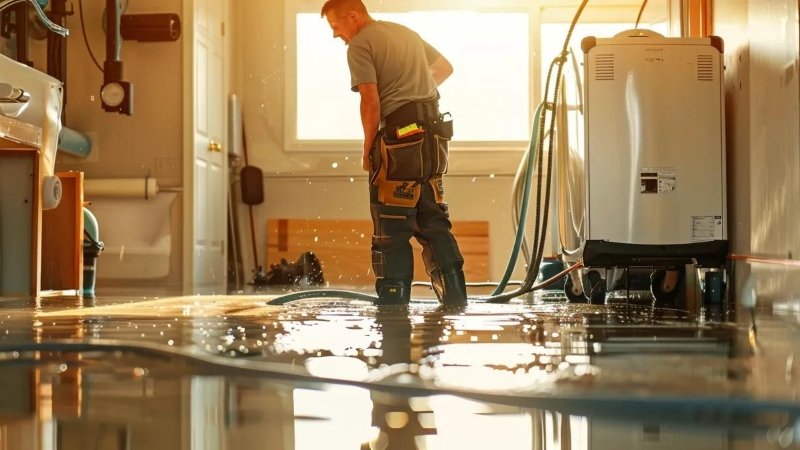
In such cases, consulting a professional for water damage restoration can help detect and prevent deeper structural issues before they escalate. Professionals use thermal imaging and moisture meters to see through walls without tearing them down.
Preventive Measures for Every Homeowner
- Clean Your Gutters: Clogged gutters force water under your shingles and toward your foundation.
- Check Your Sump Pump: Test it twice a year by pouring a bucket of water into the pit to ensure it triggers.
- Replace Old Hoses: Upgrade rubber washing machine hoses to braided stainless steel to prevent sudden bursts.
Conclusion: Protect Your Investment
Your home speaks to you through these subtle shifts. By staying observant and acting on the small things today, you ensure your home remains a dry, safe, and sturdy sanctuary. If you’ve spotted any of these warning signs and need an expert eye to prevent further damage, reach out for professional water damage restoration services in Denton to get your home back to its best condition.