A finished landscape should do more than look impressive from the street. It should make the walk to your front door comfortable, give your family useful outdoor space, and fit the amount of maintenance you can realistically handle. That balance takes planning. A landscape build brings together planting, site preparation, and, where included, features such as patios, pathways, irrigation, or lighting. Choices made early affect how those pieces work together long after installation day.
Before you start collecting plant photos and debating paver colors, use these five tips to turn your ideas into a landscape project with a clear purpose.
1. Build Around How You Actually Use the Property
Start with everyday routines. Where do people enter the yard? Where would you like to sit? Which views do you want to improve, and which areas need privacy?
These questions establish priorities before individual features compete for your attention. A generous planting bed may look wonderful on paper, but it should not make the route from your driveway to the door awkward.
Consider everyone who uses the space, including visitors, children, and pets. Discuss comfortable walking routes, access for maintenance, and the relationship between seating areas and the house.
Cable Bros Outdoor offers landscape design and installation, plus hardscaping, drainage, irrigation, and lighting. Explain how you want the property to function so the proposed scope reflects your needs.
Make a short distinction between essentials and extras. Solving an inconvenient entrance may matter more than adding another decorative feature. You can still have the fun details, but they should support a layout that works.
Consider the view from indoors, too. A landscape is often enjoyed through kitchen windows or from a living room. Thoughtful placement can make those ordinary moments more pleasant.
2. Understand the Site Before Selecting Materials
Your yard brings its own conditions to the project. Sun exposure, soil, drainage, slope, and existing trees all influence what can be built and planted successfully.
Watch where water collects after rain and mention those areas during the site assessment. Describe any recurring wet spots or runoff concerns rather than expecting new planting beds to solve them automatically.
Soil condition deserves attention before installation. A soil test can help identify characteristics such as pH and nutrient levels, while drainage assessment addresses a different question: how water moves through the site.
Ask what preparation the proposed build includes. Bed preparation, removal of unsuitable material, and grading should be discussed specifically where relevant. Beautiful plants cannot compensate for every problem beneath them.
Existing trees also affect the plan. Construction activity and changes around their root zones deserve careful evaluation. Identify trees you want preserved before access routes and work areas are established.
Finally, discuss property boundaries, utilities, and any approvals required for the planned features. Confirm who will coordinate those steps. A complete plan considers the work below the surface as well as the finished appearance.
3. Choose Plants for Their Mature Size and Growing Conditions
A small shrub at installation can become a substantial presence later. Plant selection should account for mature height and spread, not simply how full the bed looks on the first afternoon.
Match plants to the actual sunlight, soil, and moisture conditions. An attractive plant suited to a different environment may create an ongoing struggle rather than a lasting improvement.
Discuss spacing around windows, walkways, structures, and other plants. Give the design room to develop without relying on constant pruning to keep everything within bounds.
Cable Bros’ landscape installation information includes trees, shrubs, perennial gardens, ground covers, and ornamental grasses. Those categories offer different forms and seasonal interest, but individual selections still need to suit your property.
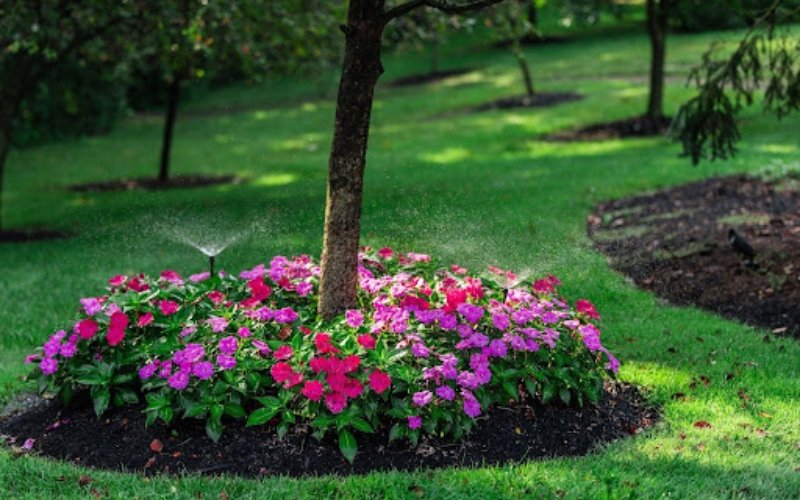
Consider how the planting will look throughout the year. Flowers can bring seasonal color, while foliage, branching, and evergreen elements provide other kinds of interest. The goal is a composition that remains appealing beyond one blooming period.
Ask about maintenance expectations before approving selections. “Low maintenance” does not mean no watering, weeding, pruning, or seasonal attention. Choose a planting plan that fits your time and willingness to care for it.
4. Coordinate the Build With Future Maintenance in Mind
Planting, hardscape, irrigation, and lighting decisions should be coordinated when they share the same project area. Planning their relationships early can help avoid disturbing newly finished work later.
For example, discuss irrigation needs before beds are installed and consider lighting locations while pathways and gathering spaces are being designed. Ask the contractor to explain the appropriate installation sequence.
When discussing a build with Cable Bros Outdoor, clarify which services are included and which would be separate additions. A coordinated concept is useful, but it should be matched by a clearly defined proposal.
Also picture the practical work that follows installation. Can someone reach beds for weeding? Will mowing around their edges be manageable? Are plants positioned where routine care is accessible?
Mulch can help conserve soil moisture and limit weed growth, but it needs appropriate application. Keep it away from tree trunks rather than creating a mound against the bark.
If you hope to add another feature later, mention it now. A future patio or expanded garden may affect today’s layout. Planning ahead does not require building everything at once; it means making current decisions with the larger picture in mind.
5. Confirm the Scope, Budget, and Establishment Care
A landscape proposal should describe what you are purchasing clearly enough to compare it with your expectations. Review the work areas, materials, plant selections, preparation, and included finishing tasks.
Ask how changes will be handled if site conditions or your preferences shift during construction. Decide which features matter most so any budget discussion starts with agreed priorities.
Talk about scheduling and property access as well. Weather and ground conditions can affect outdoor work, so clarify how updates will be communicated and what you need to prepare.
Before completion, request care guidance for the installed plants or lawn. Newly installed landscaping requires attention while it establishes, and watering needs depend on conditions rather than a universal schedule.
Keep a copy of the final plant list and care instructions so you can identify what was installed and reference its needs later.
Confirm who is responsible for watering, inspections, and any follow-up maintenance. Also review applicable warranty terms instead of assuming every plant or feature carries the same coverage.
Create a Landscape You Can Enjoy for Years
A successful landscape build connects your ideas with the realities of your property. Start with how you want to use the space, understand the site, and choose plants and features that fit. Then confirm the installation scope and care responsibilities before work begins. Those decisions help turn a collection of attractive elements into an outdoor setting that feels comfortable, useful, and distinctly yours.