Breaking up a patio and replacing a roof both produce heavy debris, but they create different disposal needs. Choosing a container by size alone can overlook material restrictions, weight, and loading access. For homeowners and contractors around Raleigh and the Triangle, a few questions before booking can make cleanup easier. Here is what to clarify before the first chunk of concrete or bundle of shingles leaves the work area.
Why Does Concrete Need a Separate Dumpster?
Clean concrete can follow a different disposal route from mixed renovation waste. Keeping it separate helps preserve that option and prevents trash from contaminating the load.
Red Hawk’s concrete dumpster is designated for clean concrete. Its rules exclude dirt, brick, stone, wood, drywall, and household trash. A patio demolition may produce several of those materials, so sorting should begin before loading.
Describe the project when booking. Concrete pieces from one area and landscaping waste from another should not automatically share a specialty container simply because there is space.
What Should You Tell the Provider About a Roofing Project?
Explain the roofing material, estimated roof area, and number of layers being removed. Multiple shingle layers increase the debris load even though the roof itself has not become larger.
A Roofing dumpster should be selected around the tear-off materials and agreed loading terms. Confirm whether underlayment, nails, decking, flashing, or other components are accepted in that container.
Avoid treating “roofing debris” as permission to discard everything the crew removes. Damaged wood or unrelated construction waste may require a different arrangement, depending on the rental’s material restrictions.
Does Remaining Space Mean You Can Keep Loading?
No. Container volume and acceptable load weight are different limits. Dense debris can become too heavy before reaching the top edge.
Ask the provider to distinguish included disposal weight, overage charges, and maximum loading requirements. Even an advertised flat-rate specialty arrangement still requires compliance with the approved materials and loading instructions.
Share estimated quantities before delivery rather than expecting the driver to resolve an unsuitable load at pickup. If the project expands, discuss another haul or a revised disposal plan before continuing.
Where Should the Container Go?
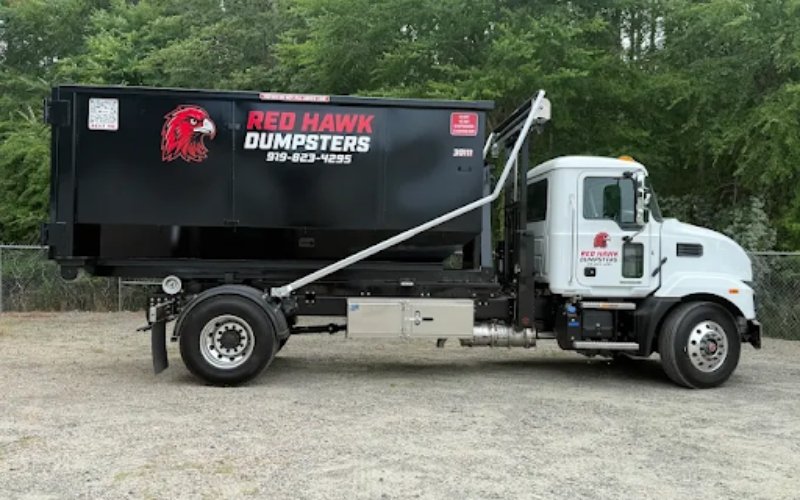
Choose a location that supports both loading and truck access. The delivery equipment needs room to approach, position, and retrieve the container.
Describe gates, tight turns, overhead obstacles, parked vehicles, and surface conditions. Discuss recommended driveway protection and leave entrances available throughout the rental.
For roofing work, coordinate placement with the contractor’s staging plan. For concrete removal, consider the route used to move heavy pieces. Confirm permission and applicable requirements if placement extends beyond your property.
How Do You Avoid Pickup Problems?
Follow the provider’s fill and material rules, keep debris contained, and preserve the retrieval route. Confirm whether collection requires a separate request.
If loading takes longer than expected, ask about extension options before the rental ends.
Match the Dumpster to the Material
Successful disposal starts with identifying what the project produces. Separate clean concrete, describe roofing components, and confirm weight and access requirements. Those decisions help keep cleanup organized, allowing the work to progress without an avoidable loading or collection problem.