
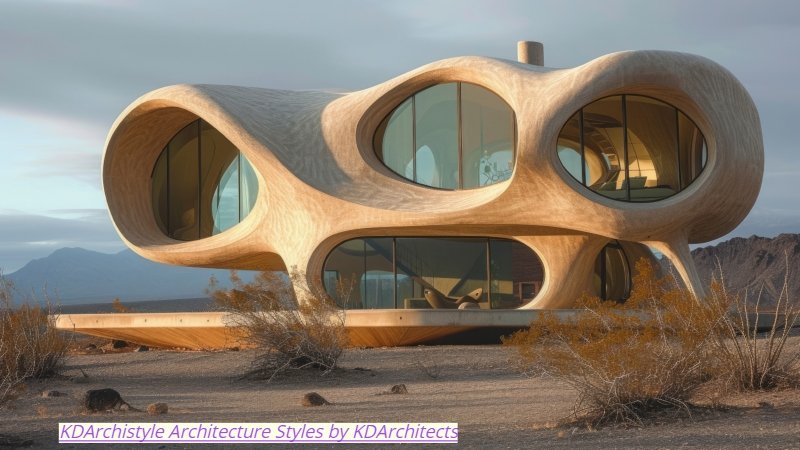
A well-designed building does more than catch attention; it creates an environment where comfort, creativity, and functionality come together. From modern homes to commercial spaces, architectural choices influence how people experience their surroundings and use available space. This is where KDArchistyle architecture styles by KDArchitects becomes an interesting topic for exploring modern design ideas and different architectural approaches.
This guide explores popular architectural styles, including contemporary, traditional, and minimalist designs, along with essential design principles, sustainable building concepts, and landscaping ideas. It also looks at how material selection, natural lighting, and modern technology contribute to practical spaces. Whether you are a homeowner, student, or architecture enthusiast, these insights will help you better understand today’s evolving design trends.
What Is KDArchistyle Architecture Styles by KDArchitects?
KDArchistyle can be explored as a design-focused concept covering architectural styles, building design, landscaping, and contemporary design ideas. It brings attention to the relationship between visual appeal and everyday functionality, showing how different architectural concepts can influence the appearance and performance of a space.
The subject covers several approaches, including modern, minimalist, traditional, and sustainable architecture. Each style has distinctive features, materials, and design priorities. Rather than focusing only on decoration, thoughtful architectural planning considers how a building serves its occupants and responds to its environment.
Understanding Its Architectural Concept and Design Approach
A successful design begins with understanding the purpose of a building. Residential architecture, for example, requires comfortable rooms, privacy, natural lighting, and convenient layouts. Commercial architecture has different priorities, such as efficient workspaces, accessibility, and organized movement.
The main consideration is balancing creativity with functionality. Material selection, interior and exterior design, ventilation, and available space should work together to create a practical environment.
Popular Architectural Styles in Modern Design
Different architectural styles reflect changes in culture, technology, and human preferences. Some designs take inspiration from historical buildings, while others focus on simplicity and innovation. Understanding these differences makes it easier to select an approach that suits a particular project.
Modern architecture emphasizes clean lines, open floor plans, large windows, and practical layouts. Glass facades and simple geometric forms are common features, helping buildings achieve a spacious and contemporary appearance.
Contemporary architecture reflects current design preferences and often combines innovative materials, flexible spaces, and creative structural elements. Unlike modern architecture, which refers to a particular design movement, contemporary architecture continues to evolve.
Traditional architecture draws inspiration from cultural identity, local craftsmanship, and historical building methods. It often incorporates familiar materials, decorative details, and regional characteristics.
Minimalist architecture follows the principle that simplicity can create attractive and comfortable spaces. It uses limited decoration, balanced proportions, and carefully selected materials.
Sustainable architecture focuses on reducing environmental impact through energy-efficient layouts, eco-friendly materials, natural ventilation, and responsible resource management.
Each style offers different possibilities. Some projects combine elements from multiple approaches to create buildings that reflect personal preferences while meeting practical requirements.
Core Design Principles That Define Modern Architecture
Good architectural design requires careful planning rather than attractive decoration alone. The arrangement of rooms, use of materials, natural lighting, and connection with outdoor spaces all contribute to the overall experience of a building.
The Balance Between Aesthetics, Functionality, and Comfort
A building should look appealing while remaining comfortable and easy to use. Open floor plans can create a sense of connection between living areas, while separate rooms provide privacy when needed. Proper window placement improves daylight and can support natural ventilation.
Another important principle is flexibility. Family requirements, working habits, and business activities can change over time. Designing adaptable spaces makes it easier for buildings to accommodate new needs without major modifications.
Biophilic design is another useful concept. It introduces natural elements, such as plants, natural materials, daylight, and outdoor views, into built environments. This approach can create a stronger connection between people and nature.
Key Features and Elements of KDArchistyle Architecture
Several elements determine the quality and appearance of a building. Space planning is one of the most important because it influences how efficiently rooms are arranged and how people move between them.
Natural lighting can make interiors feel more open and welcoming. Large windows, skylights, and suitable building orientations can help introduce daylight. However, designers must also consider heat, privacy, and glare.
Construction materials influence both appearance and durability. Wood adds warmth, stone offers a natural character, while steel and glass provide opportunities for contemporary architectural aesthetics. Choosing appropriate materials according to local climate conditions can also reduce maintenance needs.
Energy efficiency is equally important. Insulation, efficient lighting, and well-planned ventilation can reduce unnecessary energy consumption. Together, these features support functional architecture that balances visual quality with long-term performance.
How Architectural Styles Influence Residential and Commercial Buildings
Architectural styles should reflect the purpose of a building. A design that works well for a family home may not be suitable for a workplace or public facility.
Residential architecture focuses on comfort, privacy, safety, and everyday convenience. Modern homes may include open living areas, practical storage, comfortable bedrooms, and outdoor spaces. Smart home design can add further convenience through connected lighting, temperature controls, and security systems.
Commercial architecture requires layouts that support business activities. Offices need productive workspaces, meeting rooms, and accessible facilities. Retail stores benefit from organized interiors, clear walkways, and attractive entrances.
Public infrastructure, including educational institutions and community buildings, requires additional attention to accessibility, safety, and durability. In every case, building design should respond to the needs of its users rather than simply follow popular trends.
Sustainable Architecture, Landscaping, and Natural Design
Sustainability has become an important consideration in modern construction. Buildings use energy, water, and materials throughout their lifespans, so responsible planning can help reduce their environmental impact.
Green building design may include energy-efficient windows, improved insulation, renewable energy systems, and eco-friendly construction materials. Solar panels and rainwater collection systems can also support resource conservation when suitable for the project.
Landscape design adds another dimension to architectural planning. Gardens, trees, green pathways, and outdoor seating areas can improve the appearance and usability of surrounding spaces. Native plants are often a practical choice because they are better suited to local climate conditions.
Connecting indoor and outdoor areas can also make a building feel more welcoming. Terraces, garden-facing windows, and natural materials help create visual harmony between architecture and the surrounding environment.
How to Choose the Best Architectural Style for Your Needs
Selecting an architectural style requires more than choosing an attractive appearance. The right decision depends on the building’s purpose, available budget, location, climate, and personal preferences.
Budget, Location, Climate, and Personal Preferences
Start by identifying the main requirements of your project. Consider how many rooms are needed, how much space is available, and which features are most important. A realistic budget will help determine suitable materials, construction methods, and design options.
Climate should also influence architectural decisions. Buildings in warmer regions may benefit from shading, suitable roof designs, and cross-ventilation. Colder environments may require additional insulation and energy-efficient windows.
It is equally important to consider local building regulations and construction conditions. Consulting a qualified architect can help evaluate structural requirements, material choices, and the feasibility of a proposed design.
The Future of Architecture: Technology, Innovation, and Design Trends
Architectural innovation continues to reshape how buildings are planned and constructed. Smart home technology allows residents to manage lighting, security, and temperature through connected devices. IoT integration can make these systems communicate and operate more efficiently.
Digital design tools and artificial intelligence are also creating new opportunities. Architects can explore different layouts, examine building performance, and compare design possibilities before construction begins.
At the same time, sustainable development remains a major priority. Renewable energy, eco-friendly materials, efficient building systems, and biophilic design are influencing future projects.
The direction of architecture will depend on combining technological progress with environmental responsibility, cultural identity, and human comfort. Buildings that respond to these priorities can remain useful and relevant as society changes.
Conclusion
KDArchistyle architecture styles by KDArchitects provides an opportunity to explore the relationship between architectural creativity, practical design, and modern building concepts. From contemporary and traditional styles to sustainable architecture and green landscaping, these approaches demonstrate how thoughtful planning can improve the spaces people use every day.
Ultimately, successful architecture is not about following every new trend. It is about choosing suitable designs, durable materials, and functional features that meet real needs. When aesthetics, comfort, and sustainability work together, buildings become more valuable and meaningful.
Frequently Asked Questions
1. What are the 10 main architectural styles?
The 10 main architectural styles include Classical, Gothic, Romanesque, Renaissance, Baroque, Neoclassical, Victorian, Modern, Contemporary, and Minimalist architecture.
2. What are the 12 main types of architecture?
The 12 common types include Residential, Commercial, Industrial, Institutional, Landscape, Interior, Urban, Religious, Civic, Sustainable, Naval, and Heritage architecture.
3. What are the 7 basic principles of architectural design?
The seven basic principles are Balance, Rhythm, Emphasis, Proportion, Scale, Harmony, and Unity.
4. What are the 7 basic principles of architectural design?
They are Balance, Rhythm, Emphasis, Proportion, Scale, Harmony, and Unity. These principles help create visually appealing and functional spaces.
5. What is the oldest style of architecture?
Ancient Egyptian and Mesopotamian architecture are among the earliest known architectural traditions, dating back thousands of years. Mesopotamian architecture is particularly associated with early monumental building.
For more practical ideas on home design, improvement, and creating functional living spaces, explore the helpful guides and insights at ProHomeInsight