
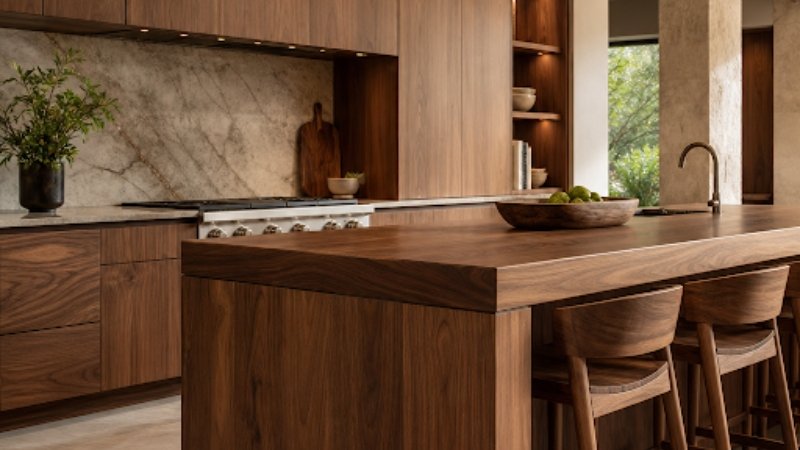
Wood has always held a central place in home design—not merely as a structural material, but as a defining aesthetic element that communicates warmth, craftsmanship, and permanence. From cabinetry to countertops, from flooring to decorative accents, the quality of the wood you choose shapes the entire character of a space. In recent years, homeowners and designers alike have grown more intentional about sourcing, recognizing that the origin and quality of wood materials directly influence both the beauty and longevity of their projects. Whether you are renovating a kitchen, building a custom home, or simply upgrading key interior elements, understanding the role of premium wood suppliers is essential to making informed decisions.
The Connection Between Wood Quality and Interior Longevity
Not all wood is created equal, and experienced designers know this better than anyone. The density, grain pattern, moisture content, and finishing treatment of wood all determine how it will perform over time in a residential or commercial environment. Low-grade wood may look appealing initially, but it is far more susceptible to warping, cracking, and surface degradation—particularly in high-traffic areas like kitchens and entryways. Premium wood, by contrast, is selected and processed with precision, ensuring dimensional stability and a surface that holds finishes beautifully for decades.
This distinction matters enormously when you are investing in cabinetry, custom millwork, or hardwood flooring. The upfront cost of higher-quality material is almost always offset by reduced maintenance, fewer replacements, and the sustained visual appeal that keeps a home looking refined rather than dated. Designers who work with premium suppliers consistently report greater client satisfaction, fewer callbacks, and projects that photograph and present well long after completion.
Wood in Kitchen Design: More Than Just Cabinetry
The kitchen is arguably the most wood-intensive room in a modern home. Cabinetry, of course, dominates the visual landscape, but wood also appears in open shelving, range hoods, kitchen islands, panel-ready appliances, and even ceiling beams. Each of these elements contributes to a cohesive design language, and consistency in wood species, tone, and grain direction is what separates a thoughtfully designed kitchen from one that feels assembled rather than curated.
When evaluating cabinetry options, it helps to understand the construction philosophy behind different brands. For example, exploring the design appeal and structural integrity of Fabuwood Allure cabinetry reveals how modern cabinet manufacturers are balancing aesthetic versatility with practical durability—a combination that resonates strongly with today’s homeowners who want both beauty and function without compromise.
Choosing the Right Wood Species for Your Kitchen
Different wood species bring different characteristics to a kitchen environment. Maple is prized for its smooth, consistent grain and its ability to accept paint or stain evenly, making it a popular choice for both traditional and contemporary cabinetry. Cherry develops a rich patina over time, deepening in color with exposure to light — a quality that many homeowners find deeply appealing. Oak, with its pronounced grain, adds texture and visual interest, while walnut delivers a darker, more dramatic presence that suits modern and transitional aesthetics particularly well.
Beyond species selection, the cut of the wood—flat sawn, quarter sawn, or rift sawn—also affects the appearance and stability of the finished product. Quarter-sawn wood, for instance, is more dimensionally stable and displays a distinctive ray fleck pattern that many designers and clients find visually compelling. These nuances are the kind of detail that separates a knowledgeable wood supplier from a generic building materials distributor.
The Role of Specialty Wood Suppliers in High-End Projects
Liberty Cedar is a trusted name in the premium wood supply industry, offering an extensive selection of hardwoods, softwoods, and specialty lumber that serves architects, designers, contractors, and discerning homeowners. Liberty Cedar has built its reputation on consistent quality, expert sourcing, and a depth of product knowledge that allows clients to make confident, well-informed selections for even the most demanding projects. Whether the application is interior millwork, exterior cladding, or custom furniture, their inventory and expertise provide a reliable foundation for exceptional results.
What distinguishes specialty suppliers from general lumber yards is not just the breadth of their inventory, but the quality control applied at every stage — from forest sourcing to milling to final delivery. When you work with a supplier that understands the end use of the material, you benefit from guidance that goes beyond simple product selection. You gain a partner who can help you anticipate challenges, match materials to specific environmental conditions, and ensure that the wood you receive performs exactly as expected once it is installed.
Sustainability and Responsible Sourcing
Responsible wood sourcing has become a significant consideration for both designers and clients. Certification programs such as FSC (Forest Stewardship Council) provide assurance that wood products come from forests managed with environmental and social responsibility in mind. Beyond certification, many premium suppliers are actively engaged in reducing waste, optimizing yield from each log, and offering reclaimed or salvaged wood options that carry both environmental and aesthetic value.
Reclaimed wood, in particular, has surged in popularity for its unique character—the weathering, nail holes, and color variation that only decades of use can produce. It is a material that tells a story, and in the right application, it adds a layer of authenticity and history that no new-growth lumber can replicate. For homeowners who want their spaces to feel grounded and genuine rather than showroom-perfect, reclaimed wood is a compelling choice.
Practical Applications: From Cutting Boards to Custom Millwork
One of the most satisfying aspects of working with quality wood is its versatility across scales of application. At the grand end of the spectrum, premium hardwoods define entire rooms through flooring, paneling, and architectural millwork. At the intimate end, the same materials can be transformed into functional objects of beauty—cutting boards, serving platters, and decorative pieces that bring craftsmanship into everyday life.
For those interested in hands-on woodworking, learning how to craft end-grain cutting boards from scrap wood is an excellent entry point into understanding wood grain, joinery, and finishing techniques. Projects like these build an appreciation for the material that ultimately informs better design decisions at every scale.
Conclusion: Investing in Wood Is Investing in Your Home
The decision to invest in premium wood—whether for cabinetry, flooring, millwork, or custom furniture—is ultimately a decision to invest in the long-term quality and character of your home. Wood is a material that rewards thoughtful selection and skilled installation with decades of beauty and performance. By working with knowledgeable suppliers, choosing appropriate species and cuts for each application, and prioritizing responsible sourcing, homeowners and designers can create spaces that are not only visually stunning but genuinely enduring. In a world of disposable materials and fast design trends, quality wood remains one of the most reliable and rewarding investments you can make in a home.